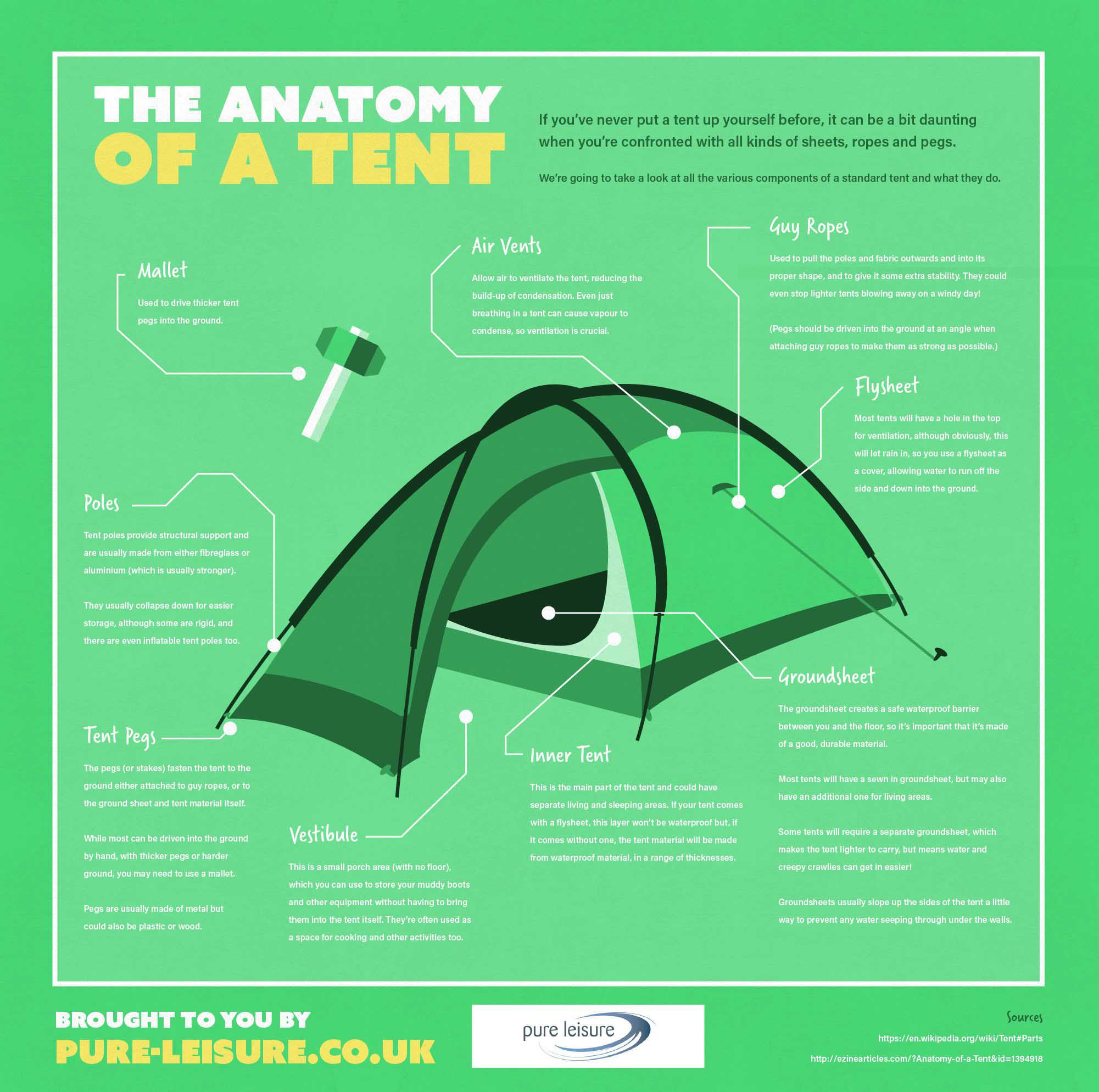
Every experienced camper knows the panic of awakening in a drenched sleeping bag at 3 a.m. Waterproofing is non-negotiable in the backcountry. But as the exterior neighborhood grows more eco mindful, a pressing inquiry has arised: can we stay completely dry without hurting the planet we appeared right here to delight in? The answer, significantly, is indeed-- and the materials leading that cost deserve knowing.
The Trouble with Standard Waterproofing
For decades, the exterior market relied greatly on resilient water repellent (DWR) coatings made with per- and polyfluoroalkyl materials, better called PFAS or "permanently chemicals." These coverings are extremely efficient-- water beads and rolls straight off-- but they do not break down in the atmosphere or in the body. PFAS have actually been spotted in remote towering lakes, Arctic wild animals, and human blood samples worldwide.
Past DWR coverings, several water resistant membrane layers and treated textiles have historically included energy-intensive manufacturing, petroleum-derived resources, and end-of-life waste that clogs land fills for centuries. For a market built around nature, the contradiction has actually been difficult to overlook.
Emerging Lasting Alternatives
PFC-Free DWR Coatings
The most prompt shift occurring throughout the market is the approach fluorine-free DWR (FFDWRs). These coverings, stemmed from plant-based or silicone-based chemistries, don't bring the relentless toxicity of their precursors. Brands like Nikwax and Grangers have been generating fluorine-free waterproofing treatments for many years, and significant producers-- Patagonia, Arc'teryx, and Fjällräven amongst them-- have dedicated to terminating PFAS entirely across their product.
Do they carry out also? Honestly, not always in severe conditions-- but the void is shutting fast, and for the majority of three-season camping applications, contemporary FFDWRs stand up admirably.
Recycled and Bio-Based Membranes
Waterproof-breathable membrane layers are the hidden layer inside your rainfall coat that actually obstructs water while allowing vapor retreat. The most well-known is Gore-Tex, yet its manufacturing has generally entailed virgin polytetrafluoroethylene (PTFE), a petroleum item.
New alternatives are interrupting this room. Polartec's NeoShell and Neoshell Hardface lines have checked out extra sustainable buildings, while business like Sympatex generate waterproof membranes made completely from recycled polyester. Bio-based membrane layers, derived from agricultural waste or plant oils, are still emerging however stand for a genuinely exciting frontier.
Waxed Cotton and All-natural Fibers
Occasionally sustainability means looking backward. Waxed cotton, utilized for over a century in exterior equipment, is enjoying a well-deserved renaissance. Brands like Barbour and newer outdoor-focused business deal with snugly woven cotton with natural beeswax or plant-based waxes to create a breathable, water-resistant material with severe longevity. When the wax wears off, you simply re-wax it-- no synthetic chemistry required.
Wool is one more natural champion. Merino wool, especially when securely weaved, supplies shocking water resistance along with its famous warmth-when-wet home. It's naturally degradable, sustainable, and if sourced properly, brings a much lower environmental footprint than synthetic options.
What to Search for When Purchasing Sustainable Camping Gear
Certifications That Matter
Navigating greenwashing is one of the biggest obstacles for eco-conscious customers. A couple of qualifications deserve relying on. The bluesign ® common audits production for liable source usage and chemical safety and security. The Worldwide Recycled Requirement (GRS) confirms canvas bell tents recycled content claims. Look for these on hang tags and brand websites as opposed to taking obscure "green" language at stated value.
Sturdiness as Sustainability
The most sustainable piece of gear is the one you do not have to change for a decade. Before going after the latest "eco-friendly" product, think about that a well-kept camping tent, coat, or tarp with standard construction-- correctly dried, saved, and re-treated when required-- might carry a lower life time environmental footprint than cycling via more recent sustainable products every couple of years.
Re-proofing sprays and wash-in therapies can restore the water repellency old equipment, effectively expanding its life considerably. This straightforward practice is just one of the highest-impact sustainable options a camper can make.
The Route Ahead
Lasting water resistant innovation is advancing quickly, driven by both consumer demand and tightening policies on harmful chemicals in the EU, UK, and progressively in The United States and Canada. The exterior sector, for all its historic oppositions, is relocating the appropriate direction.
For campers, the practical takeaway is motivating: you no longer need to select between staying completely dry and treading gently. Purchase durable, get certified, preserve what you possess, and support brand names genuinely dedicated to this transition. The mountains will certainly thank you for it.